The Total Skin Aging Overview: Your Skin Care Routine By Age 20s, 30s, 40s & Beyond
Excessive ROS activate the mitogen-activated healthy protein kinase (MAPK)/ activator protein 1 (AP-1) path, which subsequently induces the expression of matrix metalloproteinase (MMP), causing collagen malfunction (Chung et al., 2000). It likewise downregulates the collagen manufacturing via the TGF-β/ Smad signaling path (Quan et al., 2004; Quan et al., 2010; He et al., 2014). On top of that, cells preventions of metalloproteinases (TIMPs) are downregulated during the aging process.Keratinocyte cells are made in the basale layer of skin, which goes to the extremely lower of the epidermis. They must then take a trip upwards all the way to the stratum corneum, or the outermost layer of skin, where they press out and change the old cells. Glycation is the chemical process in which sugar molecules such as glucose and fructose bind to and damage proteins like collagen. High glycemic index (GI), or high sugar, diet plans speed up the process of glycation, which contributes to aging by harmful crucial collagen proteins. It's created with montmorillonite clay, Noirmoutier salt water, and white horehound essence.
High-energy noticeable (HEV) light (blue light from displays) and infrared light can also deteriorate collagen gradually, though UV is by far the most damaging. Regardless of these distinctions, biochemical and biophysical modifications in the dermis prevail to both maturing processes and are significant contributing variables to the aging phenotypes such as creases and loss of skin elasticity. The dermis of the skin contains connective tissue that is abundant in collagen, which gives mechanical assistance and framework. Lately, the adjustments in the facial elements in skin aging and treatments to turn around or battle them to minimize the signs of aging have become the emphasis of lots of skin specialistsEpigenetic adjustments, particularly DNA methylation, serve as buttons that transform genetics on or off. As you age, these switches drift from their original settings, a process called epigenetic drift. That drift interrupts typical gene law and adds to the functional decline seen in maturing skin.
Broken Dna
- UVA rays permeate deep right into the skin, they speed up the look of creases and contribute to the growth of skin cancers cells.As you age, these buttons wander from their initial setups, a procedure called epigenetic drift.Chronic swelling breaks down collagen and elastin, forces cells to separate rapidly towards their replication limitation, enhances oxidative anxiety and DNA damages, and accelerates glycation.From fine lines to loss of flexibility, the modifications your skin undergoes are affected by a mix of elements, both within and outside your control.
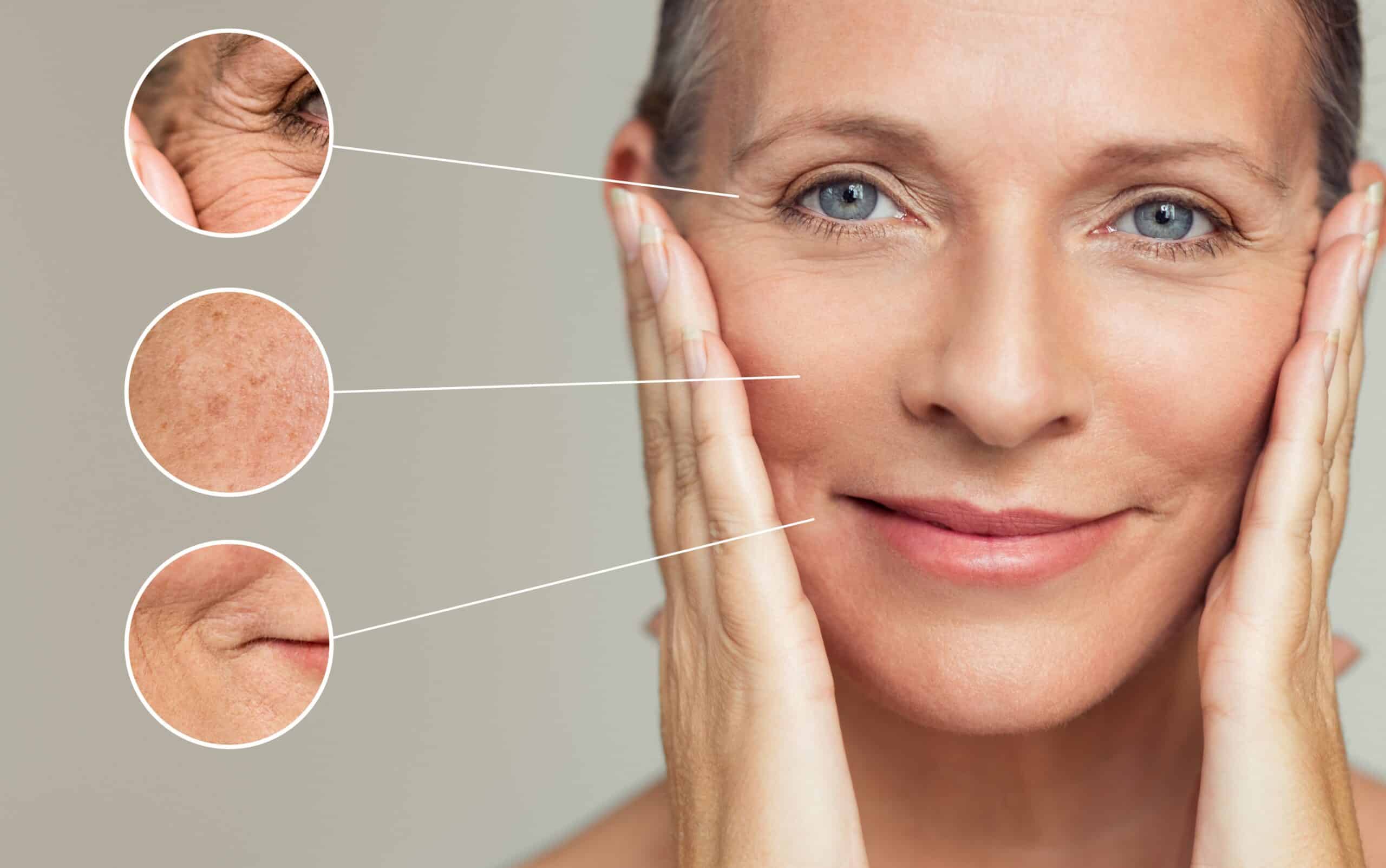
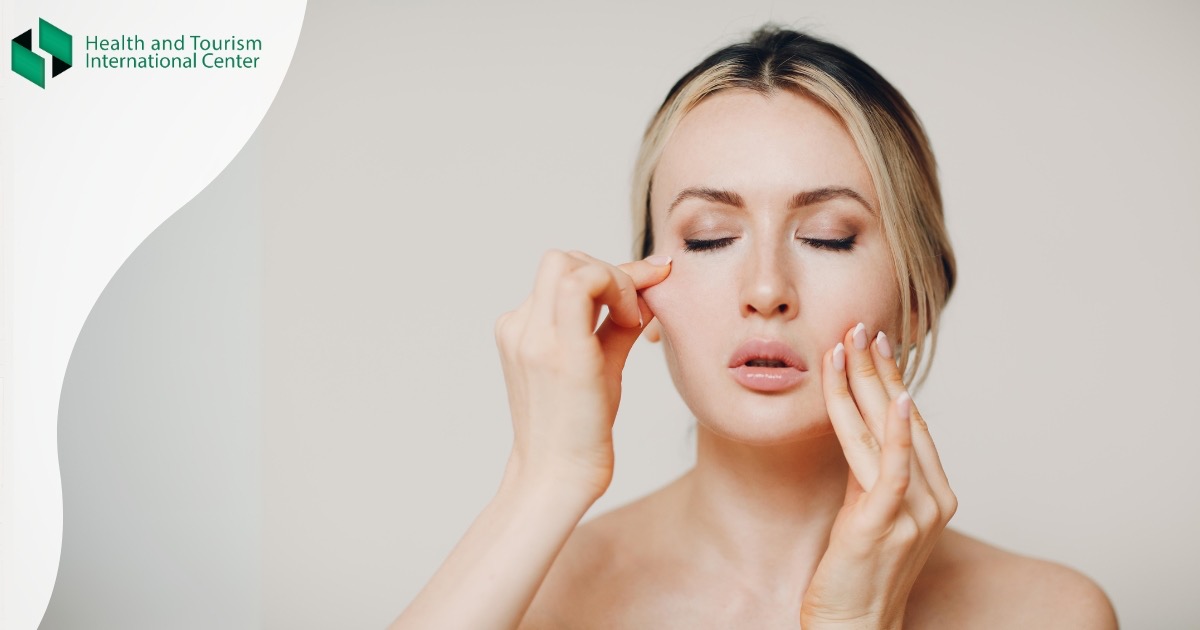
Genetics and biology set the baseline, but your setting determines exactly how quick you arrive. Below the skin, fibroblasts are the cells in charge of creating collagen. As you age, fibroblast task decreases, and collagen synthesis drops with it. Less collagen implies less architectural support, which converts directly into drooping and fine lines. Elastin, the protein that lets skin break back after extending, additionally weakens Additional hints and is not successfully changed. Last yet certainly not least, the quantity of sunlight direct exposure your face obtains is a leading contributor to the aging procedure.
What Is The Primary Root Cause Of Skin Aging?
Wearing sun block everyday can do more than avoid skin cancer cells-- it can avoid signs of photoaging as well. In fact, lots of people tout sunscreen for being their go-to antiaging tool, and permanently reason. Normal usage has actually been shown to keep photodamage away for a longer period of time.
A spots paper by López-Otín et al. (2013) formally classified this telomere dysfunction as one of the main "trademarks of aging." In extremely current years, scientists have tried to counteract aging using senotherapeutics that selectively target senescent cells. Senolytic medications uniquely get rid of senescent cells, and senomorphic medications inhibit the negative results of their SASPs. Numerous energy-based devices, such as Great post to read lasers, high-intensity focused ultrasound (HFU), and radiofrequency (RF) gadgets, have expanded increasingly usual to deal with aging phenotypes. The fibroblasts within the dermis are accountable for the synthesis, company, and remodeling of collagen and thus play a significant function in keeping the honesty of the ECM. As previously mentioned, aging triggers the accumulation of senescent fibroblasts in the dermis, which triggers steady deterioration and disorder of the ECM through launch of proteolytic, matrix-degrading SASPs (Ressler et al., 2006).
Safety nets enable you to safeguard and repair your skin before substantial damages happens. Regular care helps reduce the demand for more invasive therapies later. Skin-related advancements currently provide devices that make keeping vibrant skin much easier than ever. Smoking denies your skin of oxygen and nutrients, which speeds up mobile deterioration and damages collagen and elastin. Processed foods that are high in sugar and refined carbs can set off inflammation and add to collagen and elastin failure within your skin. As we age, the stem cells and fibroblasts that are accountable for creating collagen, elastin, heparan sulfate, and hyaluronic acid gradually come to be "careless" or underactive. Therefore, our skin begins to create fewer and less of these crucial parts, adding to lines, wrinkles, and thinning skin. Repetitive facial expressions and facial motions, such as squinting or grinning, resulting in great lines and creases.